+86 13933019359
+86 13933019359
News
Apr. 24, 2026
Why choose plastic trellis netting instead of nylon?
While Nylon is known for its high tensile strength and soft feel, Plastic (typically High-Density Polyethylene - HDPE or Polypropylene - PP) is often the preferred choice for long-term outdoor use. The primary reason to choose plastic is its superior environmental resilience, as it does not absorb water and maintains its shape over time.
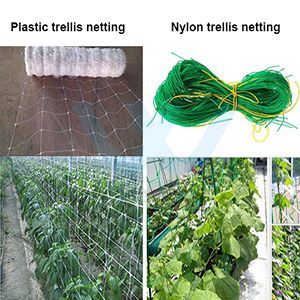
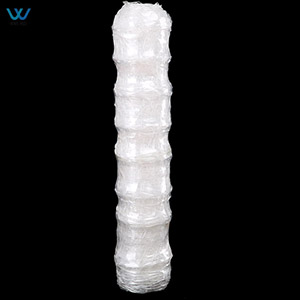
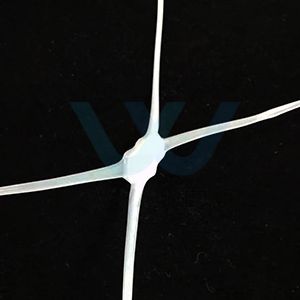
Key Advantages of Plastic Over Nylon
1)Dimensional Stability (No Sagging): Plastic is hydrophobic, meaning it does not absorb water. Unlike nylon, which can absorb up to 9% of its weight in moisture and lose 20-30% of its strength when wet, plastic remains taut and maintains its structure after rain.
2)Superior UV Resistance: Standard plastic netting, especially when treated with UV stabilizers, generally outlasts nylon in direct sunlight. Unprotected nylon can degrade rapidly and become brittle within months of intense exposure.
3)Ease of Maintenance: Plastic nets are typically "extruded," creating a smooth, semi-rigid structure that is much easier to unroll and install without tangling. Nylon's fabric-like suppleness makes it prone to snagging on plant stems or itself.
4)Cost-Effectiveness: Plastic is a more economical material to produce and buy. When considering the Total Cost of Ownership (TCO), plastic's 5–10 year lifespan often makes it cheaper in the long run compared to nylon, which may require replacement after 1–2 seasons in harsh climates.
5)Biological Resistance: Plastic is naturally resistant to mold, mildew, and rot because it does not hold moisture. This helps prevent fungal diseases from spreading through your garden.
Previous: None
+86 13933019359
300 meters east of YouZiCun,Anping County, Hengshui City, Hebei Province, China